
Iceland Car Rental in 2026: New Road Tax, Hybrid Fleets and Travel Changes
Iceland's travel industry never really stands still, and 2026 is already shaping up to be a year of real change. Some updates are useful for travelers, including larger rental fleets and more hybrid vehicles. Others are less exciting, especially the new kilometre-based road charge and the simple reality that road access, parking, and local safety conditions can change quickly.
For anyone planning a self-drive trip, these changes matter. A rental car is often the easiest way to explore beyond Reykjavík, but it also means your trip is directly affected by transport policy, road conditions, and how rental companies respond to rising costs.
The overall picture is a bit uneven. Tourism remains a key part of Iceland's economy. According to preliminary data from Statistics Iceland, tourism accounted for 8.8% of GDP in 2025, while total tourism consumption reached nearly ISK 914 billion, up 4.2% year-on-year. One detail stands out for self-drive travelers: transport equipment rental was one of the major inbound spending categories and grew 12.2% at constant prices in 2025. That is a clear sign that rental cars remain central to how visitors experience the country.
At the same time, early 2026 opened on softer ground for some parts of the market. Statistics Iceland reported that hotel overnight stays in January 2026 fell 7.0% year-on-year, while all registered overnight stays fell 10.4%. In plain terms, visitor demand may be harder to predict by season and source market than many travel businesses hoped.
The main change for drivers: Iceland's new kilometre charge
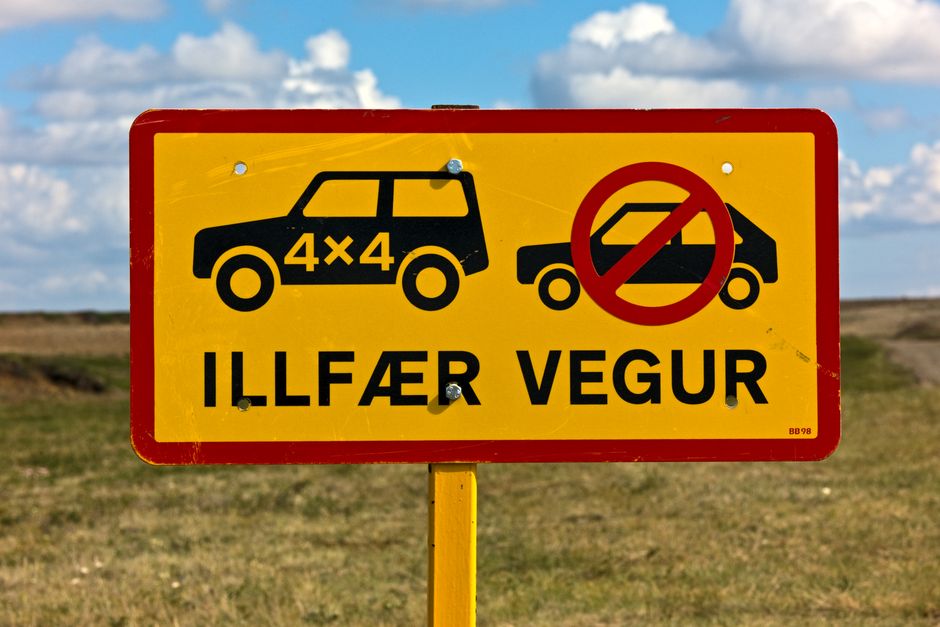
The most important recent development for self-drive visitors is the road-pricing change that took effect on January 1, 2026. Iceland introduced a kilometre-based road charge for all vehicles, replacing petrol and diesel road-use fuel taxes with a system based more directly on distance driven. For cars and SUVs up to 3.5 tonnes, the charge is 6.95 ISK per kilometre.
That may sound like a dry policy change, but it has real consequences for visitors booking a rental car in Iceland. Running costs may rise, and rental companies may respond in different ways. Some may build the charge into daily pricing. Others may add a separate line item, mileage-based fee, or administrative charge. Iceland Review reported that the Transport Authority expected many motorists' overall running costs to increase by 7% to 20%.
This creates a clear tradeoff. Iceland wants a system that charges for road use more directly, especially as electric and hybrid vehicles become more common and older fuel-tax revenues change. From a policy perspective, that makes sense. From a traveler's perspective, though, pricing can become harder to compare if one supplier includes road charges upfront and another applies them later.
That means price transparency matters more than before. Before booking, check not only the headline daily rate, but also whether mileage fees, road-use charges, and admin costs are explained clearly. If you are comparing options for renting a car in Iceland, it is worth reading the terms carefully instead of assuming every quote is structured the same way.
For a broader overview of how booking works, our guide to How to Rent a Car in Iceland: Simple Guide for Travelers is a useful starting point.
Rental fleets are growing, but the reason is not quite simple
One of the more interesting 2026 developments is the size of the rental-car registration surge. Iceland Review, citing official registration data reported by RÚV, said that 1,385 new passenger cars were registered in January 2026, and 963 of them were registered by car-rental companies. That was more than six times the level seen a year earlier.
At first glance, that looks like the rental industry is preparing for a busy travel year. But there is an important caveat. The same report noted that the jump may have been partly caused by increased imports before excise duties changed, rather than being a clean sign of stronger rental demand so early in the year.
So the better takeaway is this: rental supply appears to be expanding, but demand is still uneven across the travel market.
That matters because accommodation figures suggest the market is not moving evenly across all sectors. Visitors may shorten hotel stays but still prioritize road trips. They may also be booking later, choosing flexible itineraries, or spreading into different regions and seasons. Car rental remains a core part of the Iceland travel experience, but the January fleet numbers should not be read as a perfect demand forecast.
Bigger fleets also do not automatically mean lower prices. Operators now face added pressure from the new kilometre-fee system, extra administration, and market uncertainty. More supply can help availability, especially in peak periods, but pricing will still depend on how companies manage those new costs.
If your dates are fixed, booking early is still the safer move, especially around high-demand periods. That is doubly true if you are eyeing a specific vehicle type like a 4x4 or camper.
Hybrid and electrified vehicles are becoming more common
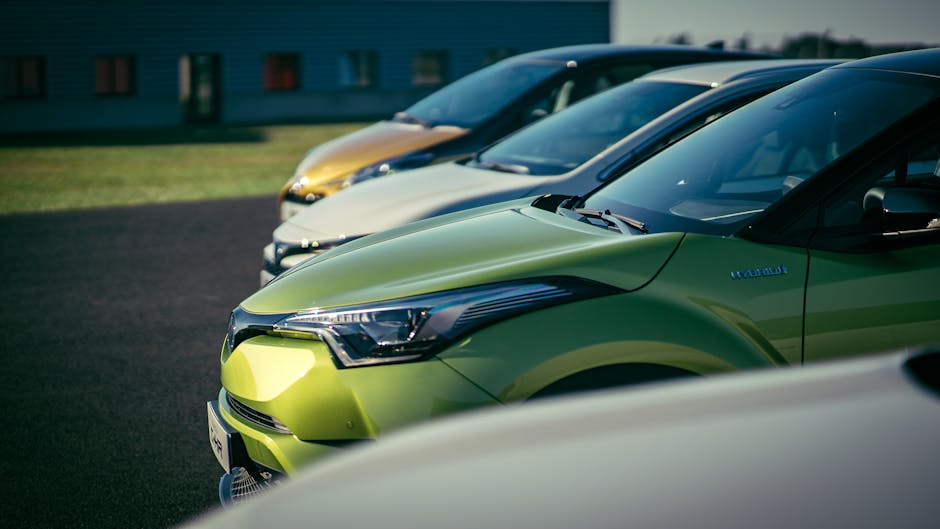
Another clear shift is happening inside the fleets themselves. Iceland Review reported in September 2025 that eight out of ten new cars sold in Iceland that year fell into ?new energy? categories, and car-rental companies accounted for 52% of purchases at that point. The January 2026 registration surge was also led mainly by plug-in hybrids and hybrids.
For travelers, this means you are increasingly likely to be offered a hybrid or electrified vehicle when booking an Iceland car rental.
That can be a good thing. Hybrids can reduce fuel use, which matters in a country where long driving days are common. You can also estimate road-trip fuel costs with our Iceland Gas Price Calculator, and save more with our post on Save on Fuel with our Discount Card.
But there are tradeoffs here too. A more electrified fleet is good for efficiency and may fit better with changing tax and energy realities. On the other hand, some travelers may be unfamiliar with charging habits, range planning, or the difference between a hybrid, plug-in hybrid, and full EV. If you are choosing a vehicle for remote driving days, practicality still matters more than trendiness.
That is why vehicle choice should match your route, season, and comfort level. If you are staying on paved roads in summer, a smaller car may be enough. If your plans include rougher roads or shoulder-season weather, a larger vehicle may make more sense. Our guides on What Type of Vehicle Should You Rent in Iceland? and Renting a 4x4 in Iceland can help narrow it down.
Safety information is becoming even more important than itineraries
A major travel trend in Iceland is not flashy at all: better real-time safety messaging. SafeTravel continues to emphasize that weather and road conditions in Iceland can change fast. Their guidance for drivers is practical and direct: check conditions regularly, respect closures, and do not stop unsafely for photos.
This matters because self-drive trips in Iceland can be disrupted by more than bad weather. In 2026, SafeTravel and road authorities highlighted examples like the Jökulsá á Fjöllum bridge maintenance near Grímsstaðir, which was planned from May 26 to June 16 but was also affected by weather-related delays. SafeTravel has also continued safety messaging around the Reykjanes and Grindavík eruption area.
For travelers, the lesson is simple: do not build an Iceland itinerary as if every route will stay open and unchanged. A route that looks easy in the morning can occasionally become more complicated by afternoon.
City driving and parking are still evolving

Not every development affects the countryside. Reykjavík is also adjusting how visitor traffic works in the city. The capital continues to maintain passenger-transport vehicle restrictions in central areas to reduce traffic linked to tourism operations. These are not aimed at ordinary private rental cars, but they show the wider pressure to manage tourism in a compact city.
Parking policy is changing too, although not always in ways that affect visitors directly. Reykjavík approved updated parking and bicycle-space rules at its April 21, 2026 meeting, mainly for new construction and redevelopment. That is not the same as changing street parking for tourists, but it does show that the city is still actively adjusting how parking should work.
For visitors, the practical takeaway is that urban parking guidance can go out of date quickly. If your trip includes time in the capital, it helps to treat parking as a live planning issue rather than an afterthought. That is especially true if you are staying in central Reykjavík and only using the car for day trips.
If your road trip begins at the airport, you may also want to read our Keflavík International Airport guide and Visiting Reykjavik: A Guide to Capital of Iceland.
Digitisation is changing the rental experience behind the scenes
Another quieter industry shift is digitisation. Iceland Review reported that Hertz Iceland, named ?Iceland's Leading Car Rental Company 2025? at the World Travel Awards, is investing in technical solutions for fleet management and customer service, including a partnership with RentalMatics.
That may not sound exciting at first, but it points to a broader trend. Rental companies are trying to become more efficient, manage larger fleets better, and improve communication with customers. Over time, that could mean smoother pickup processes, better vehicle tracking, clearer reporting of damage or mileage, and more digital self-service tools.
The upside is convenience. The challenge is that more technology does not automatically guarantee better transparency, especially in a year when pricing structures may be changing. Reviews remain important. Before booking, it is worth checking Reviews for Car Rentals in Iceland alongside the rental terms themselves.
One demand spike to watch: the 2026 solar eclipse

One near-term event could put extra strain on roads, parking, and vehicle supply: the August 12, 2026 solar eclipse. SafeTravel has already warned that it is expected to bring heavy traffic and crowded parking and public areas in West Iceland.
If you are traveling then, expect the usual self-drive advantages to come with extra pressure. You will want to book earlier, allow more time between stops, and avoid assuming that every popular viewpoint will have easy parking.
If the eclipse is part of your plan, see our guide to Solar Eclipse 2026 in Iceland: A Once-in-a-Lifetime Travel Experience.
What all this means for travelers in practical terms
The latest developments in Iceland's travel industry point in two directions at once. On one side, the country is still deeply invested in tourism, and the rental-car sector is adding larger, more modern fleets. On the other, cost structures, road management, safety planning, and urban parking are all getting more complex.
So what should you do with that information?
First, when planning a self-drive trip, pay close attention to how rental prices are presented. The new kilometre fee could affect total trip costs more than many visitors expect.
Second, choose your vehicle based on route and season, not just price. A hybrid may save fuel, but it still needs to fit your itinerary.
Third, keep your plan flexible. Closures, weather, and local safety restrictions can change quickly.
Finally, book with preparation in mind, not just optimism. Iceland is still one of the world's best self-drive destinations, but the most successful trips in 2026 will be the ones planned with current information, realistic budgets, and a little room to adapt.
For more trip-planning help, our guides on Renting a Car in Iceland: What You Need to Know, Weather in Iceland, and Icelandic Traffic Laws are worth bookmarking before you hit the road.
Sources
- Tourism satellite accounts 2025 - Statistics Iceland
- Overnight stays in January 2026 - Statistics Iceland
- Car Rental Boom Signals Strong Start to Iceland's Tourism Year
- Iceland to Introduce Weight-based Mileage Tax For All Vehicles
- Tourism Leaders Warn Mileage Charges Could Reshape Travel in Iceland
- Icelanders Favour Electric Vehicles in 2025, Latest Figures Show
- Our roads to the future
- Safetravel - Be safe in Iceland
- Passenger transport vehicle restrictions | Reykjavik
- Reykjavík City updates parking and bicycle space requirements | Reykjavik
- Hertz Iceland Recognised as Top Car Rental at World Travel Awards 2025
- Za?mienie S?o?ca na Islandii ? Safetravel